Florentijn Bruning
Contemporary Artist

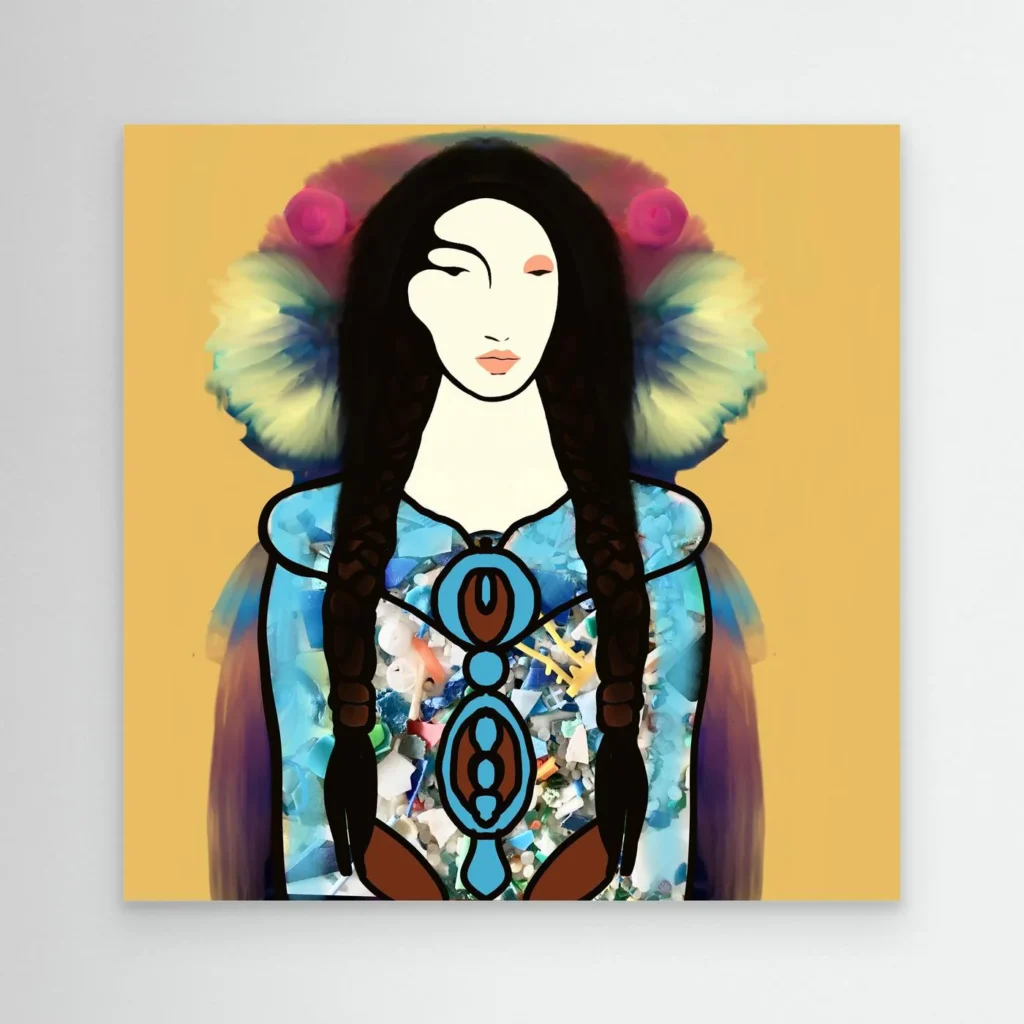
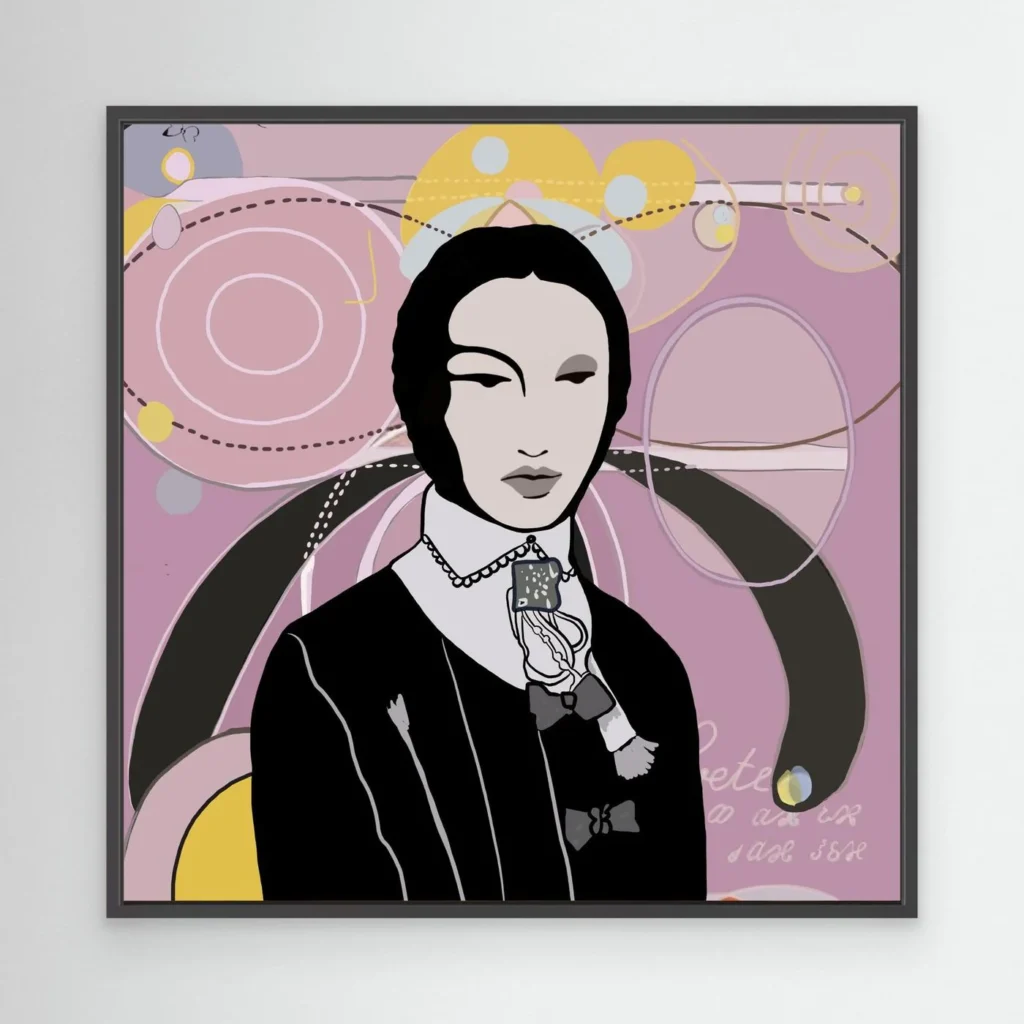
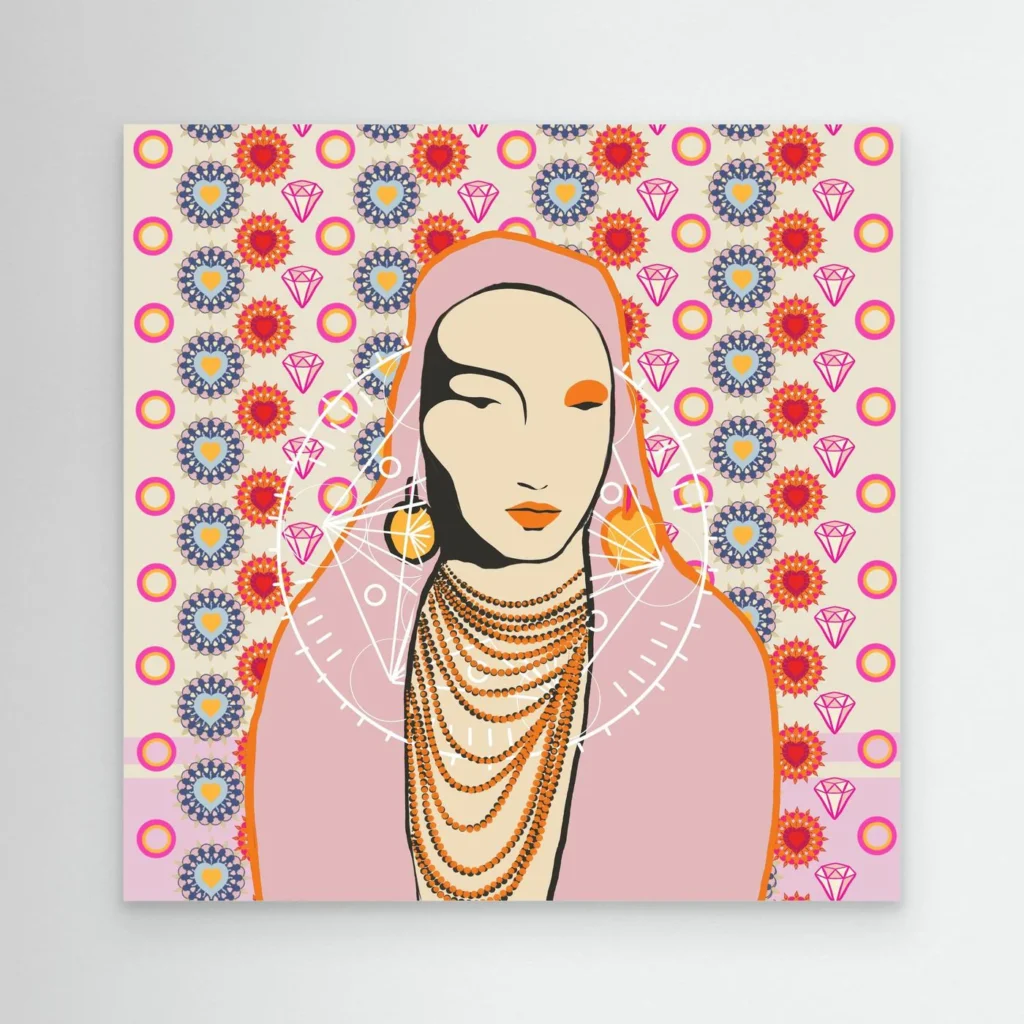
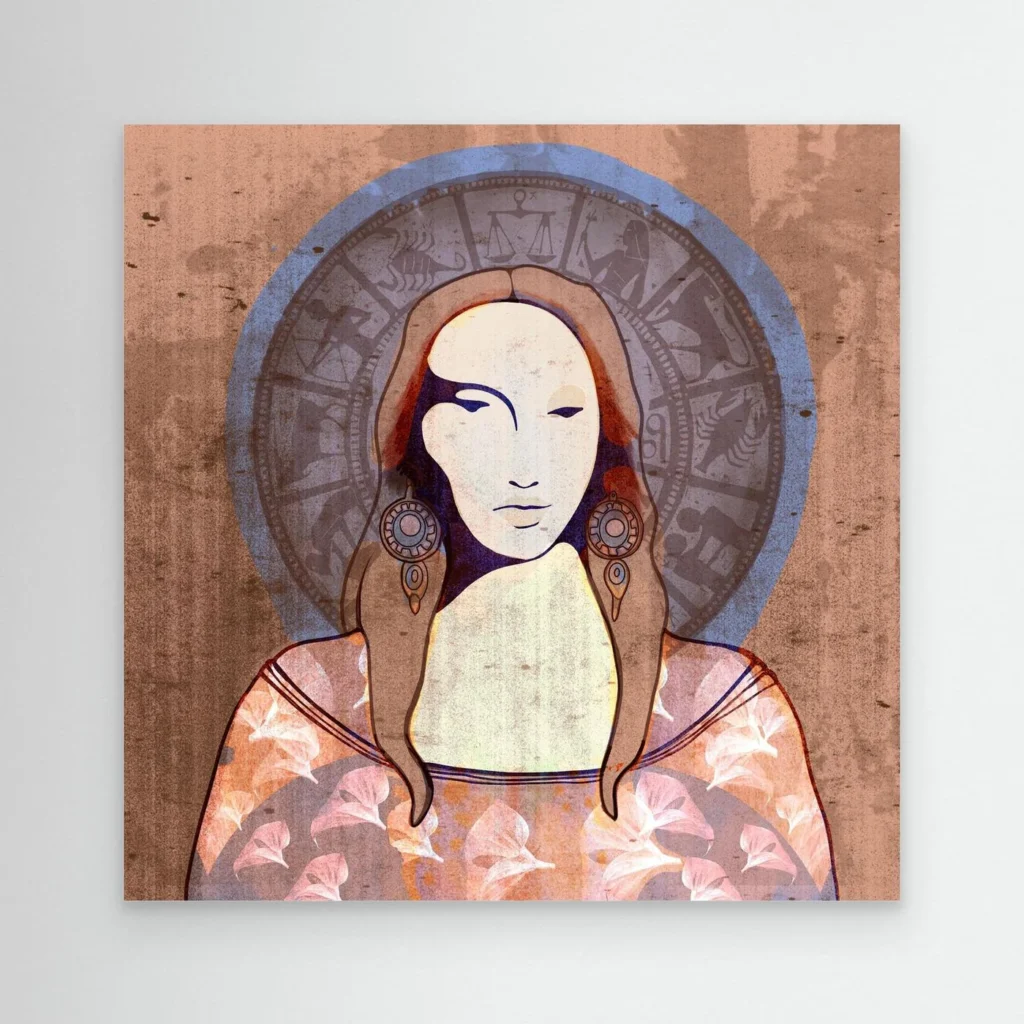
Mona Lisa Project
An Ongoing Artistic Investigation Since 2001
For more than twenty-five years, Mona Lisa Project has been the foundation of my artistic practice.
Rather than creating variations of Leonardo da Vinci’s masterpiece, I use Mona Lisa as a universal visual language through which questions of identity, memory, femininity and cultural change can be explored.
By returning to the same image over hundreds of works, the project becomes an ongoing investigation into transformation itself. Each artwork reflects a specific moment in time, while together they form a continuously evolving archive spanning more than two decades.
As society changes, so does the Mona Lisa. As technology evolves, so does the medium. What began with painting has expanded into photography, digital processes and artificial intelligence, while the central inquiry has remained the same: how can one image continue to reflect what it means to be human?
Mona Lisa is not treated as an untouchable masterpiece, but as a living cultural icon. Familiar enough to belong to everyone, yet open enough to carry new meanings with every generation.
The Mona Lisa Project is not a series of artworks. It is a lifelong artistic investigation into how images evolve, how identity shifts, and how art continues to mirror the human condition.

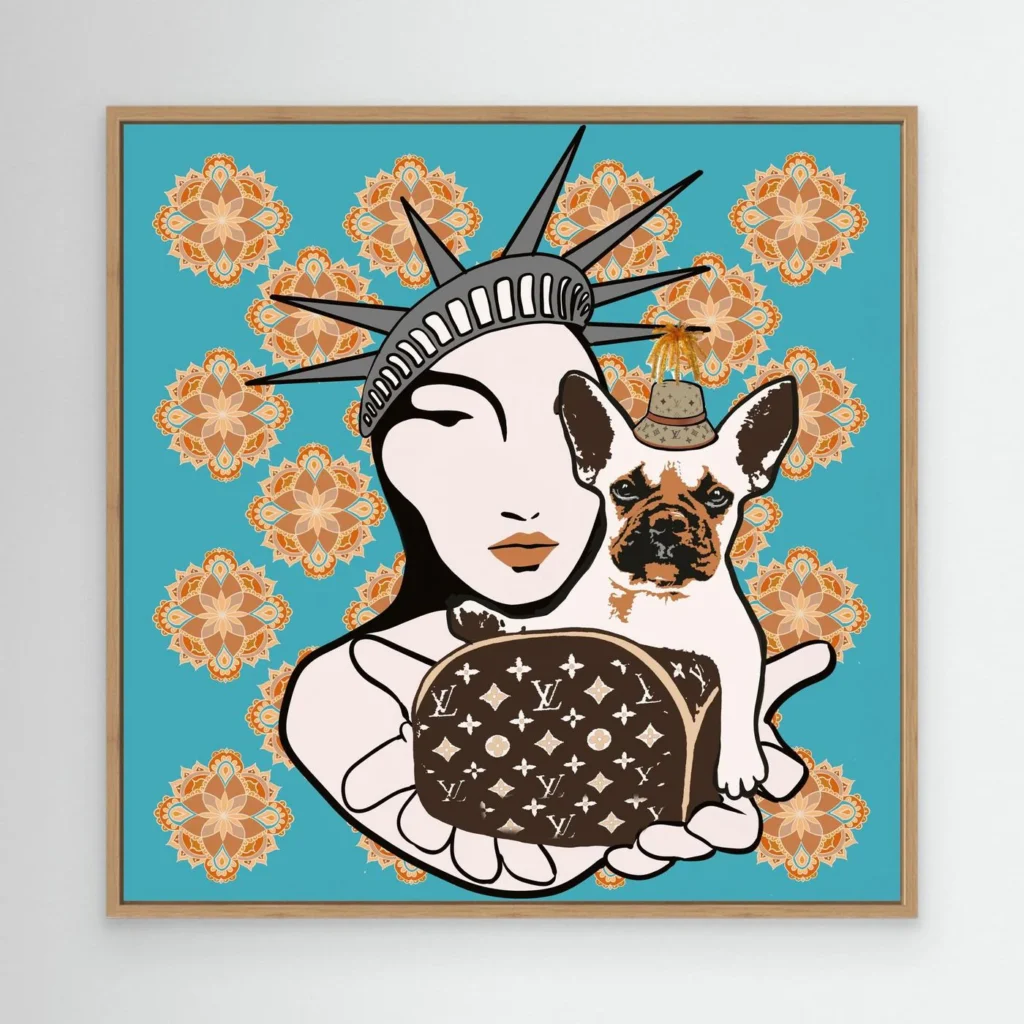
Why Mona Lisa Project Matters
For more than twenty-five years, Mona Lisa Project has been the foundation of my artistic practice.
I did not choose Mona Lisa because she is the world’s most famous painting. I chose her because she is one of the few images that every generation already carries in its collective memory. She is instantly recognisable, yet endlessly open to reinterpretation.
By returning to the same image over hundreds of works, I explore how identity is never fixed. The Mona Lisa becomes a mirror that absorbs personal experience, cultural change, technological innovation and the passage of time. Each artwork belongs to its own moment, while remaining part of a continuously evolving whole.
The project is not a series of variations on a masterpiece. It is a long-term artistic investigation into transformation itself. As the world changes, so does the Mona Lisa. As I change, so does the work. Together they form a visual archive of more than twenty-five years of artistic research.
What began with paint has expanded into photography, digital media and artificial intelligence. The medium continues to evolve, but the central question remains unchanged:
How does a single image continue to reflect what it means to be human?
The Mona Lisa Project is not about preserving an icon.
It is about revealing how an icon continues to live.
The Mona Lisa Project is more than a series of artworks. It is a lifelong artistic investigation into how images evolve, how identity shifts, and how art continues to mirror the human condition.
The Artist
Florentijn Bruning (1963) is a Dutch multidisciplinary artist working at the intersection of painting, digital media, photography, and artificial intelligence. She was born into a large family of creators spanning sculptors, painters, architects, photographers, and writers, where art was not a profession but a shared language across generations. Among them were her parents, sculptors Wilna Haffmans and Gerard Bruning, whose influence shaped her early understanding of material, form, and artistic discipline. This lineage, deeply rooted in Dutch cultural history and quietly connected to Vincent van Gogh, forms an enduring undercurrent in her work.
For more than twenty-five years, Bruning has developed the ongoing Mona Lisa Project, a vast body of work consisting of hundreds of unique reinterpretations of Leonardo da Vinci’s iconic portrait. What began as fascination evolved into a sustained inquiry into identity, perception, and time. Through repetition and transformation, the familiar face becomes a vessel for change, absorbing personal experience, cultural shifts, and technological evolution while retaining its enigmatic presence.
Her practice moves fluidly between traditional painting and contemporary processes, combining tactile materials with digital techniques and AI-generated elements. This hybrid approach reflects a world in which physical and virtual realities increasingly overlap, and where identity itself is constantly reconstructed.
Bruning’s work has been exhibited internationally across Europe, North Africa, and Asia in museum, gallery, and public contexts. She has presented her work alongside influential figures from contemporary art and popular culture, including Ronnie Wood, Banksy, Shepard Fairey, and others reflecting the broad cultural resonance of her visual language.
Despite this international exposure, her work remains deeply personal: an ongoing exploration of transformation, resilience, and the human presence behind images that have become global symbols.
Currently based in Spain and The Netherlands, Bruning continues to expand the Mona Lisa Project while researching new directions in AI-assisted art and environmental themes. Her work suggests that images, like identities, are never fixed but continuously shaped by memory, technology, and the passage of time.

